Stay informed with our latest news—insights, updates, and stories from across our community. Discover project highlights, industry trends, and behind-the-scenes moments, all in one place.
Study shows how dads' involvement in childcare impacts their kids
New research offers surprising insights into how fathers are involved in childcare, and why their involvement matters.
New external projects with Growing Up in New Zealand data approved
Growing Up in New Zealand has approved access to its anonymised external datasets for three new projects submitted by the Ministries of Education and Social Development, and the Social Policy Evaluation and Research Unit (SuPERU) in cooperation with the Families Commission.
Mental Health Awareness Week - Connections are important for maternal wellbeing and child health
The focus of mental health awareness week on “reconnecting” is timely as research published this year from the Growing Up in New Zealand longitudinal study reveals the importance of connections with family, friends and community for maternal mental health and their children’s development in the early years.
NZ’s largest survey of intermediate age children comes to completion
The Growing Up in New Zealand longitudinal study has just completed the largest survey of twelve-year-olds in Aotearoa New Zealand. Information has been collected about the children's health and wellbeing and about their households, neighbourhoods, education and identity.
Study reveals what aids te reo Māori learning in children
Fifty years on from the Māori Language Petition asking for active recognition of te reo Māori, research from Growing up in New Zealand has valuable insights about how Māori language is developing in children growing up in contemporary Aotearoa New Zealand.
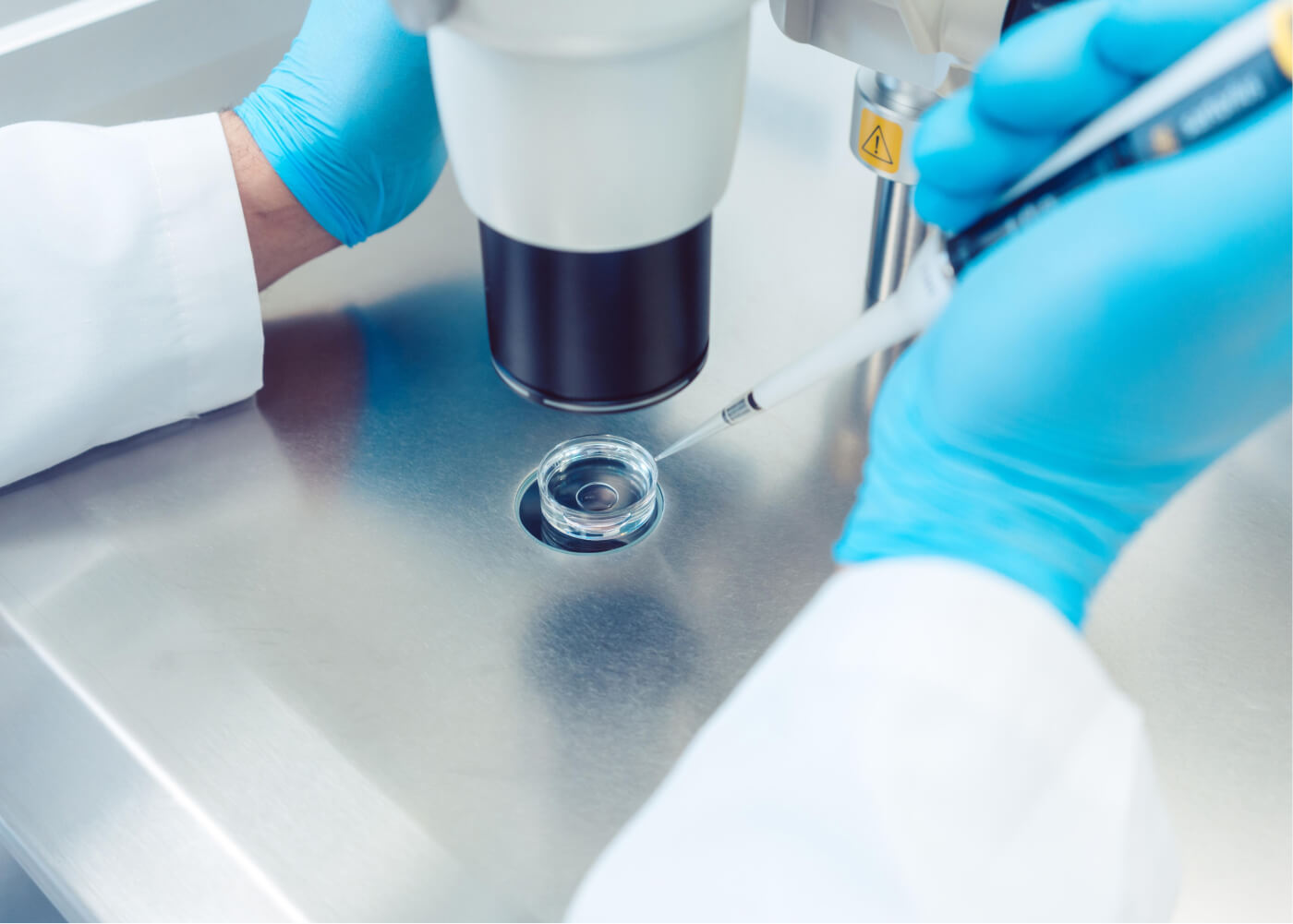
Concerns about effects of fertility treatment on children’s development are unwarranted, large study suggests
Differences in the growth, weight, and body fat levels of children conceived through fertility treatment are small, and no longer apparent by late adolescence, finds new research.
%201.svg)

.jpg)